

Understanding the Basics of Poker
Before diving into advanced strategies, it’s essential to grasp the fundamental concepts of poker, including the exciting world of online gaming, where you might find a secure online casino with fast withdrawal options . At its core, poker is a game of skill, strategy, and psychology. Familiarize yourself with the different types of poker games such as Texas Hold’em, Omaha, and Seven Card Stud. Each variant has its nuances, and understanding these differences can significantly impact your approach to the game. Mastering the rules, hand rankings, and betting structures is the first step toward playing like a pro.
Moreover, understanding position at the table is crucial. Your position relative to the dealer can provide valuable insights into how to play your cards. For instance, being in an early position means you have less information about your opponents’ actions, which often requires a more conservative approach. Conversely, being in a late position allows you to observe other players before making your decision, providing an opportunity to exploit their weaknesses. This strategic awareness can enhance your gameplay and elevate your chances of success.
Alongside these mechanics, it’s vital to study various poker strategies that can be employed depending on the situation. Concepts such as pot odds, implied odds, and expected value can drastically change your decision-making process. Knowing when to fold, call, or raise can be the difference between winning and losing. By developing a solid foundation of poker knowledge, you set the stage for more advanced strategies as you progress in skill level.
Mastering the Art of Bluffing
Bluffing is one of the most intriguing aspects of poker, often separating amateur players from seasoned professionals. A successful bluff requires a deep understanding of your opponents, the current game dynamics, and a well-timed execution. The key to effective bluffing is to convince your opponents that you hold a stronger hand than you actually do. This can involve subtle cues in your betting patterns, body language, and facial expressions, which contribute to the overall narrative you wish to convey.
Strategically, it’s important to choose the right moments to bluff. Bluffing against multiple opponents can be risky since the odds may not be in your favor. Instead, consider bluffing in situations where there’s a limited number of players in the pot, particularly against those who have shown weakness. Additionally, utilizing semi-bluffs, where you bet on a hand that could improve with future community cards, can provide a safety net if your initial bluff is called.

Finally, the concept of table image plays a significant role in bluffing. Consistently aggressive players may find it easier to pull off successful bluffs, as their opponents may be more inclined to fold out of fear of strong hands. Conversely, if you’ve been playing conservatively, a sudden aggressive play can raise suspicion and lead to your bluff being called. Striking the right balance between being unpredictable and maintaining credibility is what will ultimately make you a master bluffer.
Reading Your Opponents
Reading your opponents is a skill that can greatly enhance your poker game. This entails observing their betting patterns, body language, and overall demeanor during the game. Experienced players can often glean significant information just from the way someone acts when they receive their cards or how they respond to certain bets. This level of awareness can provide strategic advantages by allowing you to assess the strength of their hands and adjust your own strategy accordingly.
Pay attention to your opponents’ tendencies. Are they aggressive or passive? Do they play a tight range of hands or are they loose and unpredictable? Understanding these traits enables you to tailor your strategy. For example, if you identify a player who bluffs frequently, you can be more inclined to call their bets with weaker hands, knowing they may be trying to mislead you. Conversely, if you see a player who only bets when they have a strong hand, you can fold with confidence when they make aggressive bets.
Moreover, maintaining your own table image while reading your opponents is essential. If you present yourself as a tight player, your opponents may be less likely to challenge you. On the other hand, if you cultivate an image of aggression, players will likely be more cautious against you. This dynamic adds a psychological layer to gameplay, making the skill of reading opponents not just beneficial but vital for long-term success in poker.
Managing Your Bankroll Effectively
Bankroll management is the backbone of any successful poker strategy. It’s essential to set aside a specific amount of money that you are willing to invest in poker. This amount should be separate from your living expenses and should be considered an investment rather than a source of income. The aim is to create a buffer that enables you to absorb losses without affecting your overall financial stability. Without proper bankroll management, even the best players can find themselves facing financial ruin due to emotional decision-making.
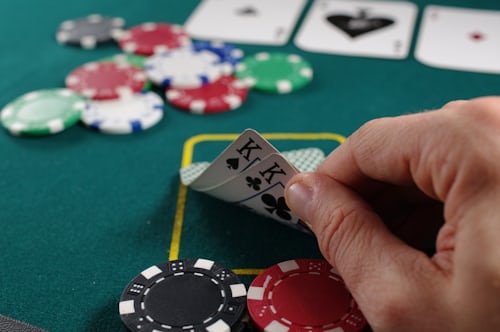
One effective strategy is to determine the stakes you can comfortably play based on your bankroll size. Many players recommend that you have at least 20 to 30 buy-ins for the stake you are playing. This means if you’re playing at a table with a $100 buy-in, your bankroll should ideally be between $2,000 and $3,000. This cushion offers flexibility and allows you to play without fear of going broke after a few bad sessions.
Additionally, establishing limits on your losses and wins can also enhance your bankroll management. Setting a loss limit prevents you from chasing your losses when things don’t go your way. Similarly, a win limit can help you lock in profits by encouraging you to take breaks rather than continuing to play until your winnings evaporate. By following these principles, you can cultivate a disciplined approach to poker that ultimately aids in long-term success.
Resourceful Online Platforms for Poker Enthusiasts
In today’s digital age, various online platforms have emerged that cater to poker enthusiasts, offering a plethora of resources to help players sharpen their skills. These platforms often feature tutorials, forums, and articles that cover everything from beginner tips to advanced strategies. Engaging with these resources can provide a strong foundation for learning, allowing players to analyze their game and adapt based on community feedback.
Additionally, many online poker sites allow you to participate in low-stakes games or free rolls, which can be a practical way to practice without straining your bankroll. These environments encourage experimentation with various strategies and help you build confidence in your gameplay. Furthermore, many platforms offer tracking tools to analyze your hands and decisions, allowing for more introspection and improvement over time.
Investing in your poker education through reputable resources can be a game-changer. Whether it’s instructional videos, strategy guides, or online coaching, these tools can enhance your understanding of the game significantly. By leveraging the wealth of information available through online platforms, you can stay ahead of the competition and continuously evolve your skills, ensuring a more professional approach to poker.

